What if small, daily habits could change someone’s mood, clarity, and life direction faster than a weekend retreat?
This guide invites U.S. readers to explore raise vibration spiritual growth. It shows how to do it with simple, evidence-based steps. These practices fit into busy workdays, family life, and schedules.
Find practical routines like morning gratitude, breathwork, movement, food choices, and environment tweaks. These help raise your vibration without drama. The article explains why these practices work and how to measure progress through emotional and physical signs.
Written in a friendly, third-person tone, the piece balances spiritual insight with accessible techniques. It aims to be a complete guide to raise vibration for manifestation and well-being. It blends ritual with science-backed habits.
Key Takeaways
- Daily, small practices can steadily raise vibration and improve mood.
- Simple rituals—gratitude, breathwork, and movement—are core high vibration daily practices.
- Practical tips fit into a U.S. reader’s schedule and support raise vibration spiritual growth.
- Progress shows up as clearer thinking, more joy, and better relationships.
- The guide offers step-by-step routines and fixes for common energetic blocks.
Introduction to raising vibration and spiritual growth
Raising your vibration means changing your emotional and energetic state. It’s about moving towards calm, clear, and present moments. Think of it as changing your energy tone and mood frequency.
What “raise your vibration” means in a practical sense
To raise your vibration, you choose habits that improve your mood. Simple actions like breathing exercises, writing down things you’re grateful for, or going for a walk can help. These practices make your daily life clearer and more enjoyable.
How vibration relates to energy, mood, and daily life
Vibration affects our choices at work, in traffic, and at home. When we shift our baseline, we make better decisions and handle stress better. Studies support this, showing how daily habits can improve resilience, sleep, and productivity.
The scope of this guide: beginner-friendly, practical steps for the United States audience
This guide is for beginners in the United States dealing with work stress, commuting, and family life. It offers simple steps to grow spiritually through gratitude, meditation, breathwork, movement, nutrition, and creativity. You’ll find easy-to-follow examples and routines to try today.
What’s coming next: basics, gratitude and journaling, heart coherence and breath, movement in nature, food and environment, music and play, quick boosters, signs of progress, and fixes for common blocks. Each topic focuses on steady, achievable practices for lasting change.
Why raising vibration matters for manifestation and well-being
Raising vibration connects our inner state to our outer world. Those who focus on raising their vibration often see clearer choices and more aligned actions. They also notice a shift in what they attract.
Cognitive science explains this through attentional bias. When someone feels hopeful, they notice opportunities more easily. This leads to others responding in a similar way.
Energy magnetism and attracting experiences
Our emotional tone acts as a filter. A person with a positive outlook is more likely to notice good things. This is why small habits, like gratitude checks, can change our daily lives.
Attentional bias and social feedback loops make these experiences more visible. This is how we attract what we want.
How higher vibration supports practical manifestation
Being in a high-vibration state, like gratitude or calm, boosts motivation and focus. This helps us set clearer goals and make better decisions. It increases our chances of achieving our intentions.
The Law of Attraction works best when we have inner clarity and consistent effort. It’s not about supernatural guarantees, but about making our intentions a reality through hard work and planning.
Physical, emotional, and mental health benefits
Positive emotions are linked to better health. Research shows that joy and openness broaden our thinking and build lasting resources. This includes lower inflammation and a stronger immune system.
Good sleep and reduced stress also improve our performance. They help us stay focused at work and maintain strong relationships. People who practice daily to raise their vibration often report fewer mood swings and more stable energy.
Small, consistent changes can make a big difference. Daily practices to raise vibration help us achieve our goals and maintain well-being. They build momentum over time.
Core principles of high vibration practices
High vibration practices are based on simple rules for steady spiritual growth. Small, repeatable actions build momentum. When thoughts, feelings, and behavior align, energy feels coherent.
The places and people around us shape our mood and momentum.
Consistency over intensity: daily small shifts
Short rituals of five to fifteen minutes are more effective than rare, intense sessions. Habit research shows that cue-routine-reward loops help embed new patterns. A morning breath set, a two-minute gratitude note, or a brief mindful walk can stack progress without burnout.
Practical tools include calendar prompts and habit trackers. An accountability partner or a weekly check-in helps keep momentum. Tiny practices compound into visible change when done daily.
Alignment of thoughts, emotions, and actions
Energetic integrity rises when thinking, feeling, and doing match. Setting clear intentions makes choices easier. When someone acts in ways that reflect desired emotions, internal conflict drops and energy stabilizes.
Use cognitive reframing to shift narratives. If worry appears, pause, name the thought, and pick one small action that reflects a calmer state. This reduces dissonance and helps raise your vibration in practical ways.
Intentional environment and community influences
Physical spaces, social circles, and media feed directly affect energy. Curate feeds, set boundaries, and choose environments that uplift. Joining local meditation groups, Meetup classes, or supportive online circles keeps practice alive.
Practical steps: declutter a workspace, mute negative channels, and schedule weekly social check-ins. These choices create cues that support high vibration daily practices.
Below is a compact implementation grid to help people translate these principles into action. It compares quick tactics, typical time investment, and the expected effect on energy over a month.
| Practice | Time per day | How to implement | 30-day energy effect |
|---|---|---|---|
| Morning breath + intention | 5–10 minutes | Set a phone reminder; use a simple 4-4-6 breathing pattern; state one intention | Noticeable calm and clearer choices |
| Two-minute gratitude note | 2–3 minutes | Use a pocket notebook or app; write three items daily | Increased positivity and resilience |
| Midday vibe check | 1–2 minutes | Pause, rate mood, adjust with breath or movement | Reduced reactivity and steadier focus |
| Curate media and boundaries | 10–15 minutes weekly | Unfollow negative feeds; schedule ‘no-screen’ blocks | Cleaner mental input and higher baseline energy |
| Community connection | 30–60 minutes weekly | Attend a Meetup, meditation circle, or online group | Support, accountability, and lasting uplift |
Daily gratitude rituals to raise vibration spiritual growth
Gratitude helps us focus on what we have, not what we lack. Simple daily rituals can boost our mood and clarity. Doing small things every day can really improve our well-being.
Morning gratitude lists and journaling prompts
Start with a list of 3–5 things you’re thankful for. Write them quickly, like joys, people, or small wins. For busy mornings, use voice memos or Google Keep.
Ask yourself: What am I thankful for today? Who helped me recently? What small thing makes me happy? Add a glass of water or a stretch to make it a habit.
Evening reflection and gratitude closure
End your day with a short routine. List your day’s highlights, lessons, and three good things. This helps you relax and sleep better.
Keep your entries brief. A quick two-minute write-up before bed can calm your nerves and help your vibration grow.
Gratitude practices for relationships and work
Small actions can make a big difference in our connections. Send a thank-you message, praise a colleague, or write a note to a friend. These actions not only help others but also raise your vibration.
Use simple phrases like: “Thanks for the report help — it was a big help,” or “Your check-in meant a lot to me.” These are sincere and effective.
For tips, try Day One, Google Keep, or a paper notebook by your bed. Keep prompts on your phone for easy access. Even two weeks of tracking can show a positive change in your mood and focus.
Heart coherence meditation and mindful breathing
Heart coherence meditation focuses on the chest area while breathing softly. This helps calm the nervous system. Studies from the HeartMath Institute show it reduces stress and improves thinking.
Simple heart-centered meditation for beginners
Sit up straight with your feet on the floor or stand with soft knees. Put one hand on your chest. Breathe slowly for 4–6 seconds, feeling the air move through your heart.
Think of something you appreciate, like a warm memory or a pet. Do this for five minutes in the morning or during a break. It’s a quick way to boost your energy.
Breath techniques to shift energy quickly
- Box breathing: inhale 4, hold 4, exhale 4, hold 4. Use three rounds to steady nerves.
- 4-6-8 calming breath: inhale 4, hold 6, exhale 8. One to three cycles reduces agitation fast.
- Alternate nostril breathing (nadi shodhana): balance left and right energy channels with slow, guided nostril switches for two to five minutes.
- Coherent breathing: aim for about 5–6 breaths per minute to lower arousal and support sustained calm.
How to build a sustainable daily meditation habit
Begin with 2–5 minutes and link it to a daily routine, like after brushing teeth or before coffee. Use apps like Calm, Headspace, or Insight Timer for guided sessions. Start with a gentle reminder and gradually increase time as you get comfortable.
Those with trauma or breathing issues should start slowly and consult a doctor if they feel overwhelmed. This approach ensures a safe and effective way to enhance your energy without stress.
Movement, nature, and physical practices for high vibration daily practices
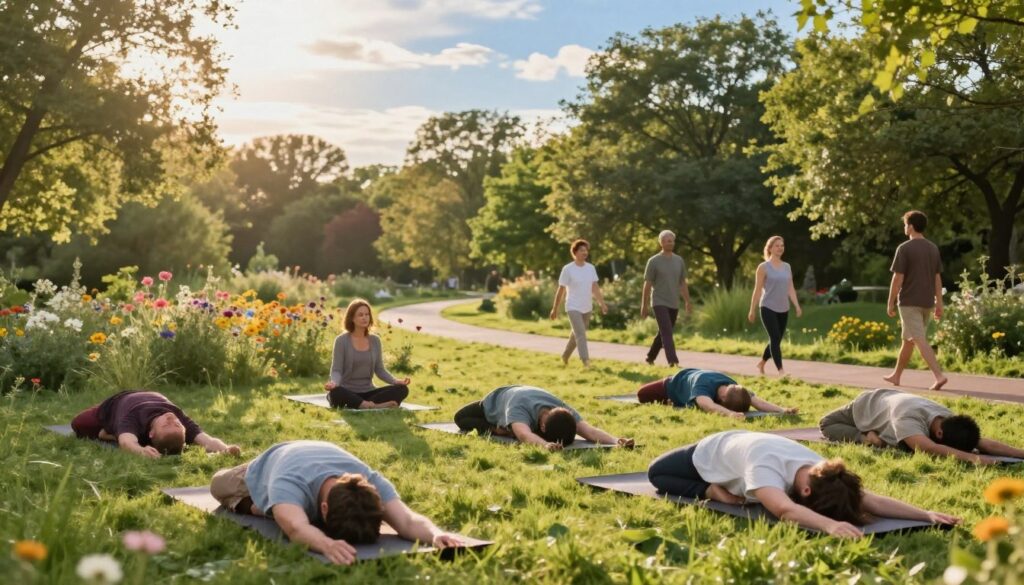
Moving around and spending time outside can make you feel better and focus better. Running or biking releases happy chemicals in your brain. Being in the sun helps your mood and body clock, and being in green spaces can calm your mind.
Walking meditation is a mix of calm and movement. It’s about paying attention to your breath and steps. You can do it in a park or even just outside your office.
Yoga is great for connecting your body and breath. Simple poses or short flows can help you relax. You can find videos online or join a class to practice with others.
Tai chi is a gentle way to improve balance and flow. Its slow movements help you relax and focus. Starting your day with tai chi can help you stay focused all day.
Even quick stretches can help you feel more connected. Simple moves can ease tension and improve your mood. Doing these moves in the morning can help you feel more alert and ready for the day.
Small movements at work can keep you going. Leg swings, wrist stretches, and deep breaths can refresh you. These small actions can add up and help you stay on track with your goals.
Tools can help you stick to your routine. Wearables can track your steps, and apps can guide you through yoga or meditation. Joining a class can give you support and motivation.
| Practice | Time | Benefit |
|---|---|---|
| Walking meditation | 10–30 minutes | Boosts present-moment awareness, reduces stress |
| Sun salutations (yoga) | 5–15 minutes | Increases circulation, opens chest and mood |
| Gentle tai chi flow | 10–20 minutes | Improves balance, smooths energy flow |
| Morning mobilizers | 3–7 minutes | Reduces stiffness, raises alertness |
| Office micro-movements | 1–3 minutes each | Relieves tension, restores focus |
High-vibe foods, hydration, and environment
The body responds to what it receives. Eating whole foods, staying hydrated, and creating a calm space help raise your vibration. They support steady energy all day.
Foods that support clarity and energetic balance
Choose colorful fruits and vegetables, leafy greens, and omega-3–rich fish like salmon for brain health and mood. Nuts and seeds add steady fats and protein. Fermented foods like yogurt, kefir, and sauerkraut feed gut bacteria that improve mental clarity.
Limit processed sugars that cause energy spikes and crashes. Eat mindfully and savor each bite to reduce stress. This helps the body digest nutrients better. Simple meals include overnight oats with berries, a salad with spinach and walnuts, a green smoothie with chia, or grilled salmon with quinoa.
Hydration, sleep, and reducing stimulants
Stay hydrated to keep energy clear. Drink water regularly throughout the day and before and after workouts. Aim for 7–9 hours of sleep nightly to repair the brain and balance hormones that affect mood.
Reduce caffeine and alcohol to lower baseline anxiety and improve sleep. Drink caffeine earlier in the day and switch to green tea. Use social media mindfully instead of turning to sugar or caffeine for emotional relief.
Creating a high-vibe living and workspace
Declutter with functional storage from IKEA to free mental space. Add houseplants from a local nursery to purify air and boost calm. Use Philips Hue bulbs to tune brightness and color for focus or relaxation.
Introduce aromatherapy for mood shifts: lavender for calm, citrus for uplift. Set up an ergonomic desk and a small ritual corner for meditation or gratitude. These choices build habit and foster raise vibration spiritual growth over time.
Music, laughter, and creative expression
Sound, play, and art can quickly change your mood and energy. A short playlist, a laugh with a friend, or five minutes of freewriting can help. These small acts make it easier to raise your vibration throughout the day.
Playlists and sound tools support mood in different ways. Uplifting pop lifts spirit. Instrumental tracks ease tension. Binaural beats and solfeggio frequencies help focus and clarity.
Spotify and Apple Music have curated lists from artists and therapists. They fit many moods.
Insight Timer and YouTube offer guided sound baths and Tibetan singing bowl recordings. A short session of tuned sound or a binaural track can daily raise vibration before work or study. Those micro-sessions act like a reset button for emotional balance.
Using humor and play reduces stress hormones and boosts endorphins. Watching a brief comedy clip, playing with a pet, or sharing a silly moment at lunch lowers reactivity. Scheduling playful breaks with family or coworkers builds resilience over time.
Simple games at work, a quick joke thread, or a five-minute dance in the kitchen are practical moves to raise your vibration fast. Laughter often shifts perspective, which helps people respond instead of react.
Creative practices give emotional channels without pressure to perform. Freewriting for ten minutes clears thought. Ten-minute sketching loosens tension. A one-song dance break wakes the body and mind.
Skillshare and CreativeLive offer short classes for guided inspiration. Local community centers and art studios host beginner-friendly sessions for people who prefer in-person connection. These options make it easier to keep up high vibration daily practices with support.
Micro-practices fit into busy schedules. A daily 5-10 minute creative window builds momentum and raises baseline energy. Small, consistent acts accumulate and help someone daily raise vibration without overwhelming their routine.
| Tool or Practice | Time | Effect | Suggested Use |
|---|---|---|---|
| Uplifting playlists (pop, indie) | 5–20 minutes | Boosts mood and motivation | Start the day or a work block |
| Instrumental & classical tracks | 10–30 minutes | Calms nerves, supports focus | During study or winding down |
| Binaural beats / solfeggio | 10–15 minutes | Enhances concentration, clarity | Pre-meeting or pre-creative work |
| Tibetan singing bowls / sound baths | 10–30 minutes | Deep relaxation, emotional release | Evening ritual or weekend session |
| Micro-laughter breaks | 2–5 minutes | Reduces stress hormones, lifts mood | Midday slump or after tense task |
| Five-minute creative window | 5–10 minutes | Clears mental clutter, sparks joy | Daily ritual to raise your vibration |
Quick boosters: breathwork, grounding, and acts of kindness
Short, easy practices can quickly change your mood. A one- to two-minute ritual can reset your nervous system. It’s perfect for busy times like commutes or work breaks.
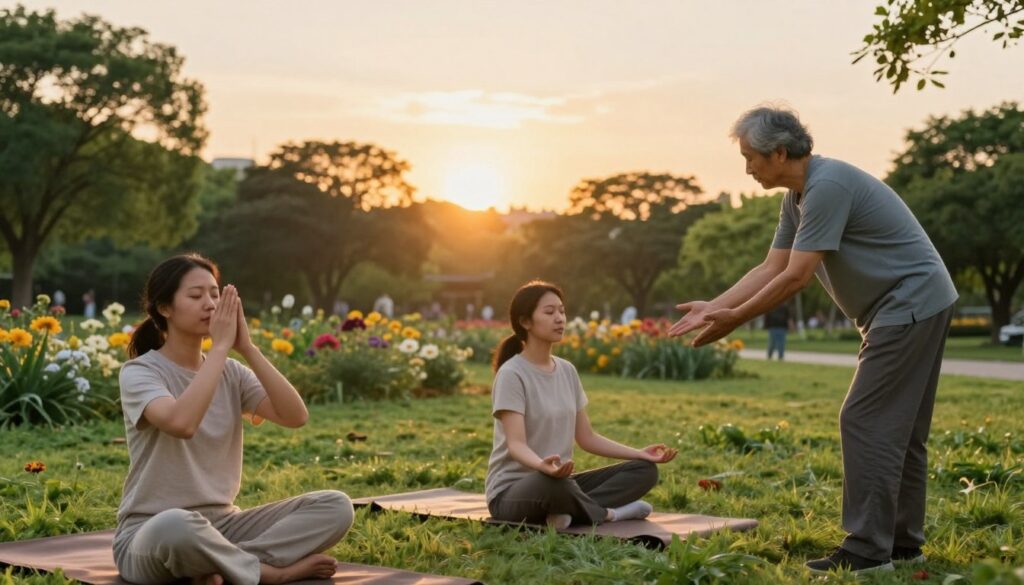
Portable breathwork exercises
Box breathing: inhale for four, hold for four, exhale for four, hold for four. Repeat 3–4 cycles to lower heart rate and clear the mind.
4-6-8 calming breath: inhale four, hold six, exhale eight. Two cycles often calm anxiety and sharpen focus.
Single-minute coherent breath: breathe in for five, out for five for sixty seconds. Expect steadier rhythms and a faster return to presence.
Grounding techniques to stabilize energy
Barefoot walking on grass connects senses and can ease tension within minutes. Thirty-second feeling-the-feet: stand, press toes and heels into the floor, notice sensations, breathe slowly.
Progressive muscle relaxation: tense each muscle group for five seconds, then release. Using a weighted blanket while resting can boost vagal tone.
Research links sensory input to vagal regulation, so these actions help regulate mood and support ongoing high vibration practices.
Small acts of kindness as a vibrational accelerator
Giving raises positive affect quickly. A genuine compliment, holding a door, or leaving an uplifting note creates ripple effects in relationships and personal energy.
Volunteering time or donating a small item offers longer-lasting uplift. These behaviors reinforce a pattern that helps someone consistently raise your vibration through outward generosity.
Combining boosters: a micro-ritual
Example: one-minute coherent breath, thirty-second grounding (feeling the feet), then jot a one-line gratitude note. This sequence shifts a challenging moment into clarity and calm.
Practical tip
Keep a short list of favorite quick boosters on the phone. During high stress, a curated set of portable breathwork, grounding moves, and kind acts delivers fast, reliable uplift and supports daily raise vibration as part of routine life.
Signs you are raising your vibration
Starting to raise your vibration brings small, steady changes. These changes feel gentle at first and become clearer over time. Tracking these changes helps see progress, not just guess.
Emotional shifts: more joy, less reactivity
More joy and gratitude show up in daily life. Anger and reactivity lessen. Even setbacks don’t stop them for long.
Patience grows, even in tough situations like traffic, work, and relationships.
Physical and mental indicators of higher energy
Energy stays stable all day, without big crashes. Sleep gets better, and waking up feels more refreshing. Thoughts clear, focus sharpens, and headaches happen less often.
External signs: synchronicities and improved relationships
More aligned opportunities show up. Tasks move smoothly, and relationships deepen. Communication gets better, and a stronger sense of flow emerges.
Practical tracking
- Keep a simple journal to note mood patterns and small wins.
- Use mood apps like Daylio or a sleep tracker to log weekly changes.
- Review entries every two weeks to see real trends in energy and calm.
These signs show how daily practices and intent shape behavior and attention. Synchronicities, or coincidences, often follow shifts in focus and actions. They create more opportunities.
Common energetic blocks and practical fixes
Many people want to raise their vibration but face obstacles. Common blocks include negative beliefs, stress, unresolved grief, and toxic media. These barriers can make it hard to stay positive and focused.
Start by doing a quick self-check. Ask yourself: What thoughts repeat when I feel stuck? What situations drain my energy? When did this pattern start? Be honest with yourself.
Identifying limiting beliefs
- Write down a belief that bothers you.
- Make a list of reasons it might be true, then reasons it might not be.
- Change the belief into a balanced statement you can test this week.
Techniques to release resistance
Journaling can help you see things differently. Try answering this: “What evidence supports the opposite of this belief?” Use facts, not feelings. Pair journaling with deep breathing to calm down.
EFT tapping is another good option. Tap certain points while saying the emotion and a neutral phrase. This can help you feel less intense and more ready to practice high vibration.
Therapy and somatic options
If trauma or ongoing symptoms show up, see a professional. Cognitive Behavioral Therapy (CBT) can change negative thinking. EMDR helps with trauma. Somatic therapy works on body tension. Support groups offer community and tools.
Coaching versus therapy
| Service | Primary Focus | Best For |
|---|---|---|
| Clinical therapy | Treating mental health, trauma, diagnosis | Unresolved trauma, depression, anxiety |
| Life coaching | Goal setting, habit change, accountability | Clarity, action plans, daily raise vibration routines |
| Spiritual coaching | Energetic alignment, rituals, intuitive tools | Designing high vibration practices and ritual support |
Choosing the right path
Go for therapy if symptoms affect your daily life or if you have trauma. Coaching is for setting goals, staying accountable, and learning high vibration practices. Some people use both for healing and progress.
Safety and vetting
- Check if your therapist is licensed through your state board.
- Look at credentials and read reviews for coaches.
- Ask about their training in trauma, somatic methods, or spiritual practices.
- Get referrals from trusted friends or medical providers.
Small, consistent steps can help you overcome resistance. Find short practices that fit your busy schedule. With the right support and tools, you can move towards a more energized life.
Conclusion
This guide shows how small habits can lead to big changes. Starting with morning gratitude and meditation can help. Adding mindful movement, healthy food, and music also boosts your energy.
These practices don’t need to be big to make a difference. In the US, you can start small and see big results. It’s all about being consistent, not how intense you are.
Seeing progress is key. You might feel more emotionally balanced or sleep better. These signs show your energy is rising.
Remember, growing spiritually is a journey. Be patient and kind to yourself. Celebrate small victories, not just the big ones.
Begin with simple habits like a gratitude list or short breathing exercises. Try them for 21 or 30 days. Use tools or join groups to stay on track.
By choosing simple habits, you can improve your energy and grow spiritually. These practices fit into your daily life and bring lasting benefits.